
What would happen to your business if staff could not open shared files, process orders, access their line-of-business software, or log in to email? A server problem can affect more than one workflow. What begins as a slow application, a failed backup or a storage warning can interrupt work, delay deadlines and frustrate customers.
For Sydney businesses that still rely on on-premises or hybrid infrastructure, effective server support services are not only about repairing a failed machine. They reduce avoidable disruption, protect the systems people use every day, and provide a practical recovery process when something does go wrong.
No server stays available in every circumstance. Hardware can fail, suppliers can suffer outages, and cyber incidents can interrupt operations. A practical plan focuses on identifying risks, recognising warning signs early, making recovery achievable, and giving your team clear support when it is needed. These steps give Sydney businesses a practical starting point.
Start With the Business Impact, Not the Server Model
Before changing tools or buying hardware, identify what each server actually supports. A file server, application server, database server, directory service and backup server may all be technically important, but the cost of an outage will not be the same for each one.
Ask practical questions:
- Which applications, files and services would stop staff from doing their jobs?
- Which systems affect customers, suppliers or compliance obligations?
- How long can each system be unavailable before the business is materially affected?
- How much recent data could the business reasonably afford to lose?
- Who needs to make decisions if a critical service is unavailable?
This exercise turns a vague concern about downtime into priorities. It also helps you decide where to invest first. A system that supports bookings, finance, client records or production will normally need closer monitoring, stronger recovery arrangements and a clearer escalation path than a low-use archive.
The Catalyst Computers server support page is a useful starting point for Sydney businesses reviewing server installation, maintenance, repairs and ongoing support. The right plan should reflect how your business operates rather than treating every server as identical.
Monitor the Signals That Precede an Outage
Some conditions that can lead to service disruption show warning signs before staff notice them. Disk space can steadily fill, backup jobs can start failing, processor or memory use can remain unusually high, and a network link can become unreliable. Monitoring helps the team investigate these signals before a service stops responding.
Effective monitoring focuses on services that matter to the business, not only whether a server is powered on. A sensible review may include:
- Availability of critical applications, databases and shared storage.
- Disk capacity, memory pressure and sustained processor load.
- Hardware health, including storage and power alerts where supported.
- Backup completion and failed backup notifications.
- Network connectivity between servers, users and cloud services.
- Security and system events that need investigation.
Alerts need ownership. A long list of warnings does not improve reliability if nobody knows which alert is urgent, who investigates it, or what action is expected. Review alert thresholds periodically so the team is not overwhelmed by routine notifications while a meaningful problem is missed.
Professional server support should also translate technical findings into business terms. For example, a report that says storage is approaching capacity is more useful when it explains which application may be affected, the likely timeframe and the available options to address it.
Patch Servers With a Controlled, Documented Process
Unpatched operating systems and applications can leave known weaknesses exposed. The Australian Cyber Security Centre includes patching applications and operating systems within its Essential Eight guidance, and emphasises applying vendor patches according to the risk posed by a vulnerability.
That does not mean applying every update immediately without planning. Servers can run specialised applications, depend on integrations or require a maintenance window. A controlled patching process should include an inventory of systems and software, a way to assess relevance and urgency, approval for higher-risk changes, and verification after the update.
For critical servers, document the rollback approach before a change begins. Confirm there is a recent backup or snapshot where appropriate, identify who will test the application, and let affected staff know about the maintenance window. Then record what changed, whether the update succeeded and any follow-up work needed.
Make patching a routine process rather than a last-minute response to a security incident. Include the applications and supporting components on a server, not only the operating system. This is one area where managed IT services can help establish a regular maintenance rhythm across your broader environment.
Treat Backups as a Recovery Process, Not a Checkbox
Having a backup is not the same as being able to recover. A backup may complete but omit a critical system, use credentials that no longer work, or take longer to restore than the business can tolerate. The time to find this out is during a planned test, not after a server failure or security incident.
Start by confirming what needs protection: business data, application data, server configuration, system images and any cloud-held information that is essential to operations. Then define the recovery objectives for each critical service. A recovery time objective is the acceptable time to restore a service. A recovery point objective is the amount of recent data the business can tolerate losing.
Regular restore tests should be planned, recorded and reviewed. A meaningful test checks more than whether a file can be copied back. It confirms that the restored system or data is usable, that staff can access what they need, and that the recovery instructions are complete. The ACSC’s Essential Eight assessment guidance similarly calls for backups of data, applications and settings to be performed and retained according to business criticality.
If a recovery test exposes a gap, treat that as valuable information. It may show the need for different retention, off-site protection, a more suitable recovery environment or clearer technical documentation. Server deployment support can also be relevant when a recovery plan requires a replacement or a more resilient setup.
Build Security Into Everyday Server Administration
Server performance and security are closely connected. Ransomware, unauthorised access and malware can all interrupt operations, corrupt data or make systems unavailable. Security should therefore be part of the regular server support service, not a separate task considered only after an incident.
Core controls often include keeping software supported and patched, using strong access controls, removing accounts that are no longer needed, limiting administrative privileges, protecting remote access, maintaining endpoint security and reviewing logs or alerts that suggest suspicious activity. The exact controls depend on your systems, staff and risk profile, but consistency matters more than a long list of tools.
It is also important to know where data is stored and who can access it. As businesses add cloud services, remote staff and third-party applications, permissions can drift. Periodic access reviews help prevent old accounts and excessive privileges from becoming a weak point.
For broader protection around servers, endpoints and networks, Catalyst’s IT security services can be considered alongside your server maintenance plan. A provider should explain any recommendation in plain English and make clear what risk it is intended to reduce.
Plan Capacity Before Performance Becomes a Problem
Slow systems are not always caused by a fault. Growth in staff numbers, data volumes, application demand and remote access can put gradual pressure on servers and storage. By the time users complain regularly, the business may be relying on workarounds that reduce productivity and increase the risk of an outage.
Capacity planning uses monitoring trends and business plans together. Review storage growth, memory use, processor demand, network usage, backup windows and application performance. Then compare those trends with upcoming changes such as new staff, a new site, a software upgrade, customer growth or a move to more remote work.
The output does not need to be a complicated forecast. It should be a clear plan that identifies what needs attention now, what can be scheduled later, and what would trigger an upgrade. This makes hardware replacement and cloud decisions more predictable, rather than forcing a rushed purchase after a failure.
Where a business is reviewing whether to retain, replace or modernise a server, business IT support can help connect technical choices to day-to-day operating needs. Server network support services should consider the links between servers, switches, firewalls, internet connectivity and cloud applications, because a bottleneck in any of those areas can affect users.
Keep Documentation Useful During an Incident
Good documentation saves time when people are under pressure. It should allow an authorised technician to understand what a server does, how it is connected, where the relevant recovery information is held and who needs to be involved in a decision.
Keep core documents current and securely stored. Depending on the environment, they may cover:
- A current server and application inventory, including owners and business criticality.
- Network diagrams, IP address records and dependencies between services.
- Support contacts, vendor details, licences and renewal dates.
- Backup locations, recovery steps and the results of recent restore tests.
- Change records for material updates or configuration changes.
- Escalation contacts and staff communication steps for a significant outage.
Documentation should be concise enough to use. A detailed technical record is valuable, but so is a one-page incident guide that tells staff who can declare an incident, who speaks to users and clients, and when the issue should be escalated. Review it after changes and after incidents, when the gaps are easiest to identify.
Use Clear Escalation and Lifecycle Planning
When an important server issue occurs, the first hour can set the tone for the rest of the recovery. A clear escalation process separates a minor user problem from an issue affecting multiple people or a critical service. It identifies who investigates, who has authority to approve a change, how staff receive updates and when specialist or vendor support is required.
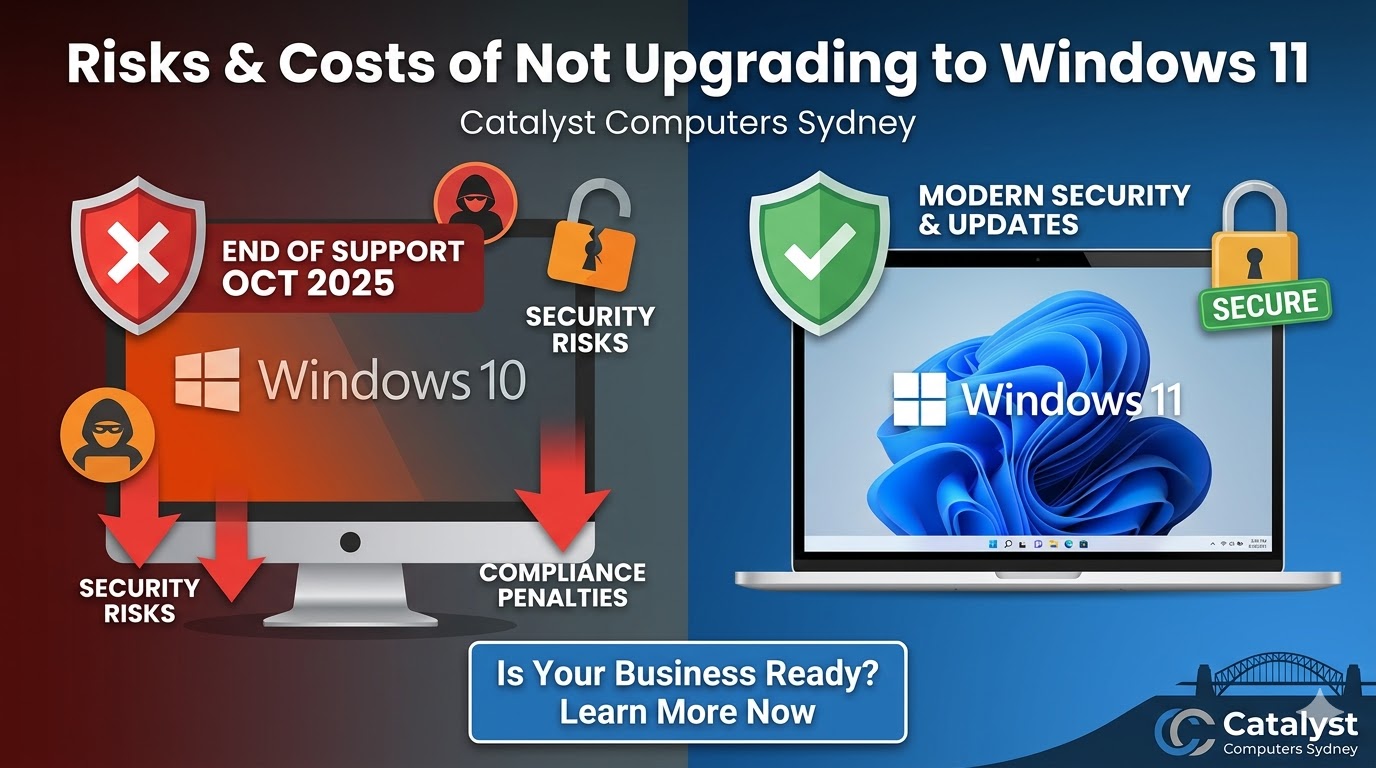
Lifecycle planning prevents another common problem: depending on unsupported hardware or software because replacement was left too late. Microsoft describes Extended Security Updates as a temporary bridge for eligible legacy products, not a long-term substitute for moving to a supported platform. Review the age, warranty status, vendor support dates, application compatibility and replacement options before the end-of-support date arrives.
An effective plan may include staged replacement, migration to a supported operating system, application testing, staff communication and a fallback option. It should also consider whether an on-premise server, a cloud service or a hybrid approach is the right fit for the next stage of the business.
Make Server Support a Practical Business Safeguard
Reliable server operations come from a collection of disciplined habits: monitoring the right signals, patching with care, testing restores, maintaining security, planning capacity, documenting the environment and preparing for escalation. No single product or provider removes every risk, but these practices can help a business prepare for disruption and approach recovery in a more controlled way.
If your business has not recently tested a restore, reviewed a server’s support status or documented how a critical outage would be managed, start there. Catalyst Computers can review your environment, discuss professional server support in plain English and help shape a tailored plan around your priorities. Contact Catalyst Computers to arrange a free IT assessment and obligation-free quote.